SSL Certificate Costs for Small Business Websites in 2025
By Sarah Mitchell · Published · 4 minutes read
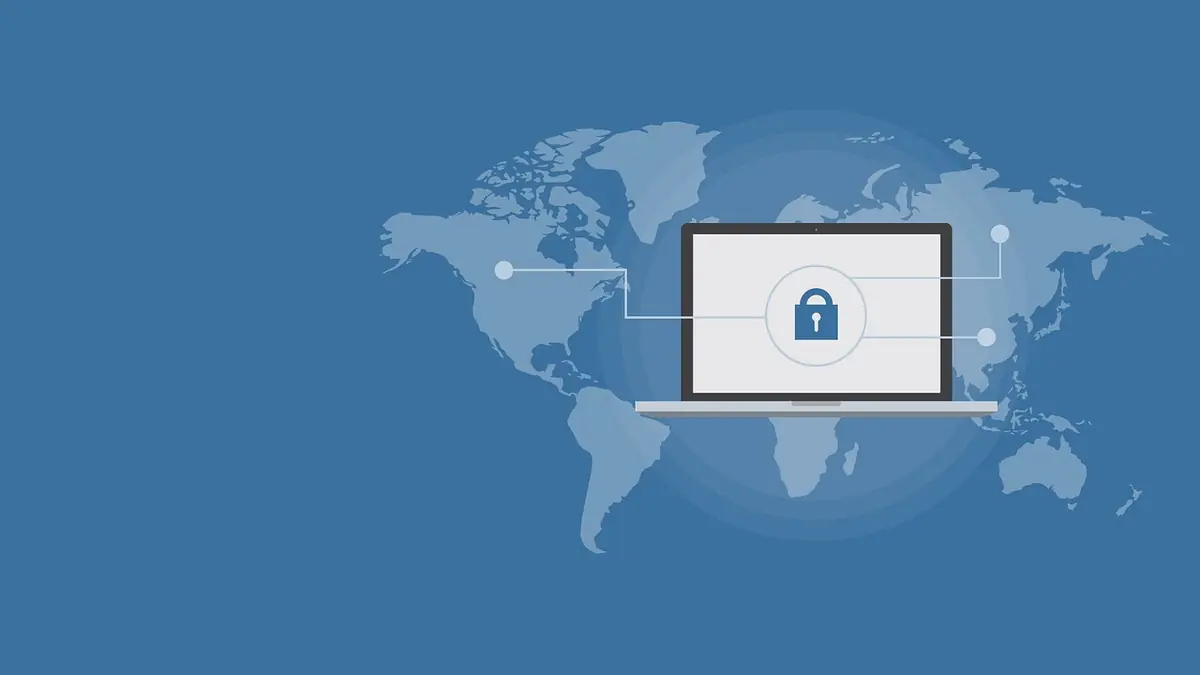
If you run a local business website, you've probably seen 'HTTPS' and 'SSL certificate' thrown around as if they're magic words. They matter — browsers flag non-secure sites, and customers notice. But what should you actually pay for an SSL certificate in 2025?
The short answer: often nothing, sometimes $50–$300 per year, and rarely more than that unless you have unusual requirements. This guide breaks down the real costs, the trade-offs between free and paid certificates, and what actually drives the price up for small business sites.
What an SSL Certificate Actually Does
An SSL certificate encrypts the connection between a visitor's browser and your web server. It also verifies that the site is who it claims to be, which is why the padlock icon appears. For a local business, this is table stakes: contact forms, booking widgets, and even simple lead capture forms send personal data, and visitors expect that data to be protected.
Since 2018, browsers like Chrome and Firefox have marked plain HTTP sites as 'Not secure' in the address bar. That warning can cost you trust and conversions. For a service business, a single lost enquiry can be worth far more than the cost of a certificate, so HTTPS is not an optional upgrade — it's part of a baseline professional website.
The technical side is straightforward: your hosting provider installs the certificate, and your site loads over https:// instead of http://. You don't need to be a security expert. You just need to know which type of certificate fits your site and budget.
- Encrypts data between browser and server
- Shows a padlock and 'secure' in browsers
- Required for contact forms and online payments
The Main Types of SSL Certificates
SSL certificates come in three validation levels: Domain Validation (DV), Organization Validation (OV), and Extended Validation (EV). DV certificates only verify that you control the domain — they're the ones you get free from Let's Encrypt or your host. OV and EV certificates require business verification, which adds cost and paperwork.
There's also the question of coverage: single-domain, multi-domain (SAN), and wildcard certificates. A single-domain certificate covers www and non-www versions of one domain. A wildcard covers unlimited subdomains, like blog.yoursite.com and shop.yoursite.com. For most local business sites, a single-domain DV certificate is enough unless you run multiple subdomains or host several client sites.
Paid certificates often come with warranties (e.g., $10,000–$1,000,000) and support. But for a brochure site with a contact form, the warranty is mostly a marketing feature — the encryption strength is the same across DV, OV, and EV certificates.
- DV: domain-only validation, often free
- OV: business verification, typically $50–$150/year
- EV: extended validation, $150–$300/year
- Wildcard: covers subdomains, $80–$250/year
| Certificate type | Validation | Typical annual cost | Best for |
|---|---|---|---|
| Free DV (Let's Encrypt) | Domain | $0 | Most local business sites |
| Paid DV | Domain | $20–$50 | Sites wanting warranty/support |
| OV | Organization | $50–$150 | Businesses wanting verified identity |
| EV | Extended | $150–$300 | High-trust e-commerce |
| Wildcard DV | Domain | $80–$250 | Multiple subdomains |
| Multi-domain (SAN) | Domain | $100–$300 | Several domains on one cert |
Free SSL: When It's Good Enough (Most of the Time)
Let's Encrypt and similar free certificate authorities have made HTTPS accessible to everyone. Most quality hosting providers now include free SSL automatically, often via Let's Encrypt or a built-in service like AutoSSL. If your host offers one-click free SSL, take it. For a typical local business website — a few pages, a contact form, maybe a blog — a free DV certificate is perfectly adequate.
The catch: free certificates typically expire every 90 days and need auto-renewal. If auto-renewal fails (e.g., your host changes something), your site can show a security warning. Paid certificates usually last one year, which means fewer renewal cycles, but you still need to remember to renew. Some hosts handle renewal for you, free or paid.
Free SSL also lacks a warranty and dedicated support. If something breaks, you're relying on community forums or your host's general support. For most small businesses, that's an acceptable trade-off given the price.
Paid SSL: What You're Actually Paying For
Paid certificates typically cost $50–$300 per year for small business needs. The price depends on validation type, number of domains, and warranty. OV certificates, for example, require you to submit business documents, and the certificate authority verifies your organization. That process costs money, hence the higher price.
You might also pay for convenience: some hosts bundle paid SSL with priority support or a dashboard where you manage certificates easily. If you run an e-commerce site with payment processing, you may want an OV certificate for added credibility, though the encryption itself is identical to DV.
Be wary of very cheap certificates ($10–$20/year) from unknown resellers. They may work, but support can be poor and renewal can be a hassle. Stick with reputable certificate authorities or your hosting provider's offering.
- OV/EV include business verification and warranty
- Wildcard and multi-domain cost more
- Support and easier management add value
Hidden Costs and Common Pitfalls
The certificate price is only part of the story. You may need to pay for installation if your host doesn't offer it free, though most do. If you have a legacy site with mixed content (images or scripts loaded over http://), you'll need to fix those references — a developer task that could cost $100–$500 depending on the site's size.
Another pitfall: forgetting to redirect http:// to https://. Without a proper redirect, visitors can still land on the insecure version. Most hosts provide a toggle for this, but check. Also, ensure your sitemap and internal links use https:// consistently.
If you manage multiple domains or subdomains, a wildcard certificate can save money versus buying separate certificates. But if you only have one domain, don't overpay for coverage you don't need.
How SSL Fits Into Your Local SEO and Website Plan
HTTPS is a confirmed ranking signal, albeit a lightweight one. More importantly, it affects user trust and conversion rates. If you're working through a DIY local SEO checklist for service businesses, securing your site is one of the first technical steps. It's also a baseline expectation when you compare local SEO vs traditional SEO — both require a secure site.
When budgeting, treat SSL as part of your overall website and SEO costs. A typical local SEO budget in 2025 includes hosting, which often bundles free SSL. If you're building a new site, follow a website build and SEO starter guide to get the technical foundation right from day one, including HTTPS.
Don't let SSL be an afterthought. It's cheap or free, but the cost of not having it — lost trust, browser warnings, and potentially lower rankings — is much higher.
- For most local business websites, free DV SSL is sufficient and costs nothing.
- Paid certificates ($50–$300/year) add verification, warranty, and support — not stronger encryption.
- Watch for hidden costs like mixed content fixes and proper http-to-https redirects.
- SSL is a small but important part of your overall local SEO and website budget.
Sarah is a web designer with a passion for creating user-friendly websites that rank well in search engines. She combines design principles with SEO best practices to help local businesses stand out online. Her writing covers design trends and practical tips for small business owners.